


Exhibition Booth Design: Creative Ideas & Professional Tips to Attract Visitors
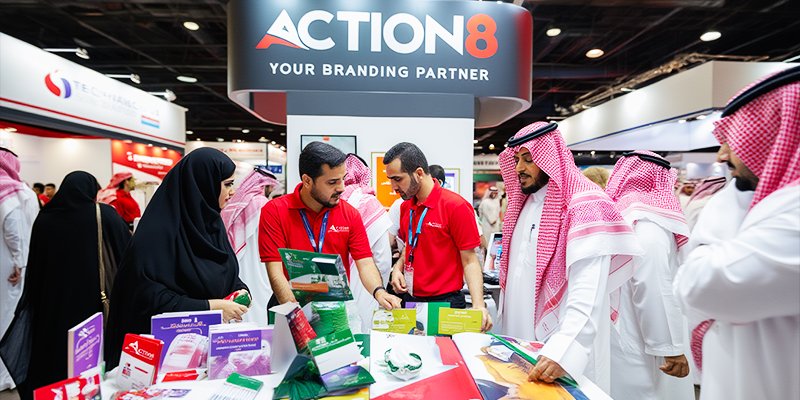
Walking into a trade show feels like stepping into a city of brands — every booth competing for the same thing: your attention. Some booths you walk past. Others? You stop, look, and walk in. The difference almost always comes down to exhibition booth design. Whether you’re showing up at your first trade show or your fifteenth, your booth is your storefront for the day. Let’s make it count.
What Is Exhibition Booth Design?
It is the process of planning, creating, and building a physical space that represents your brand at trade shows, expos, and public exhibitions. It covers everything — the structure, the colors, the layout, the signage, and even how visitors move through your space.
People sometimes use “booth” and “stall” interchangeably, but there’s a small difference. A stall is typically simpler — think of a market table. A booth is a structured, branded space designed to create an experience. Good design isn’t just about looking pretty. It’s about combining the right layout, smart branding, and engaging visuals to create a space that pulls people in. Explore more inspiration through our events & exhibitions category for an attractive booth design.
Why Exhibition Booth Design Is Important for Trade Shows
Here’s the truth — at a busy trade show floor, you have about three seconds to capture the attention of a passing attendee. That’s it. A strong exhibition stand design helps you:
- Draw attention from across the room.
- Communicate your brand message instantly.
- Bring potential customers directly to you.
- Support the bigger marketing and sales goal of your booth.
Good design does the heavy lifting before your team even says hello. Check out our branding & display solutions to see how design and branding work together.
Creative Exhibition Booth Design Ideas
Ready for the fun part? From sleek looks to fun twists, these tips will captivate attendees and make your exhibit unforgettable. Let’s explore ways to tailor your setup for max impact.
Modern Exhibition Booth Design Concepts
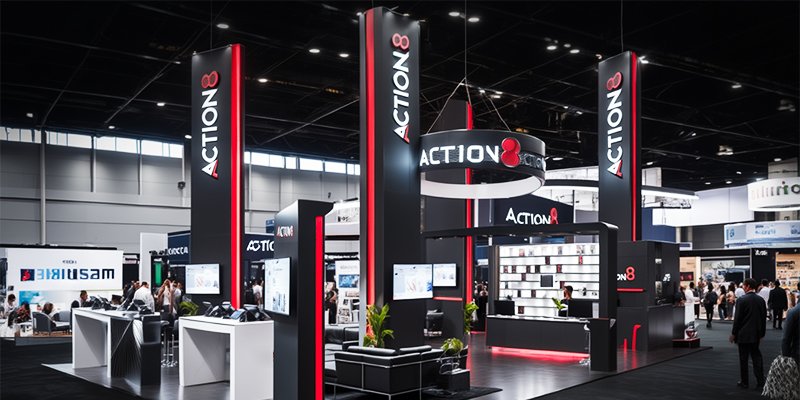
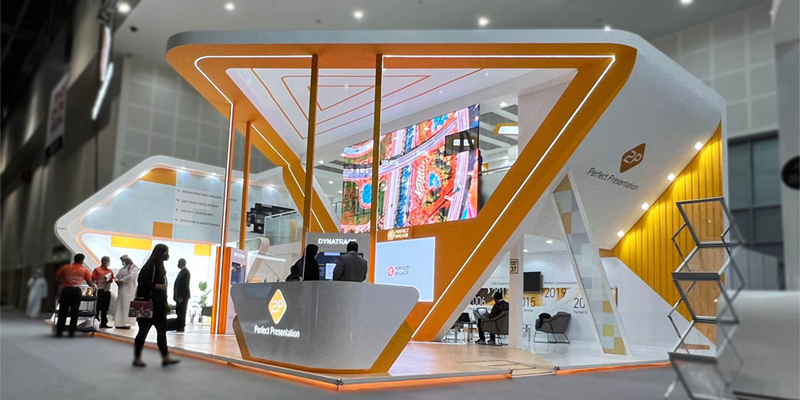
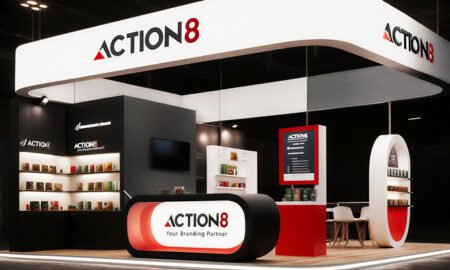
A modern exhibit booth design moves away from flat, boxy structures. Think open layouts, sleek materials, bold, unique shapes, and minimal clutter. Clean lines communicate professionalism. If you’re stuck for ideas, even browsing Pinterest can spark something great — many exhibitors share real setups there.
Key elements of a modern booth:
| Element | Why It Works |
| Open entry points | Feels welcoming, not closed off |
| Floating shelves | Showcases products without crowding |
| Backlit panels | Creates depth and visual drama |
| Neutral + brand colors | Looks premium and consistent |
Interactive & Immersive Booth Experiences
An immersive booth isn’t just seen — it’s felt. Add interactive touchscreens, live demo stations, or even augmented reality experiences where visitors can see your product in action through their phone. Some brands use a sensor-triggered display that activates when someone walks close. It’s unexpected, and it works.
Eye-Catching Graphics & Signage
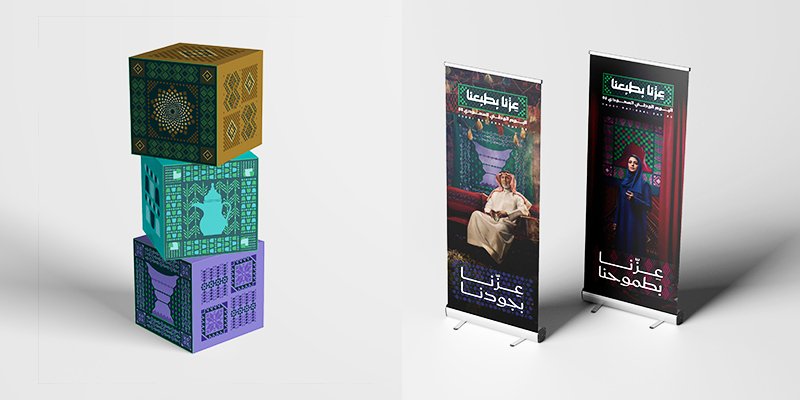
Your graphic design choices can make or break the whole exhibit. Bold, high-contrast visuals. A clear logo at eye level. A short, punchy message your target audience understands in seconds.
A great graphic doesn’t need twenty words. It needs the right three. Use high-quality print materials — nothing damages a brand faster than pixelated banners or faded colors. You can visit our posters & banners and rollups & popups pages for professional print options.
Smart Layout & Visitor Flow Planning
Think of your booth like a small shop. Where do people enter? Where do they naturally walk? Where’s the focal point they’ll gravitate toward? A smart layout guides visitors through your space without them even noticing. Place your most eye-catching trade show display at the front. Keep your demo area toward the back so visitors walk through your space. Use seating areas to slow people down and start real conversations. You can check out our displays & stands collection to find structures that support smart flow.
Trade Show Booth Design Tips to Attract Visitors
1. Light It Up
Bad lighting kills good design. Use warm, directed lighting to highlight your products and create atmosphere. A video wall lit properly can become your booth’s biggest showstopper.
2. Keep Your Message Crystal Clear
Your brand identity should be obvious within seconds. One strong headline. One clear value proposition. That’s your message — own it.
3. Run Live Demos
A demo builds trust faster than any brochure. Show people what your product actually does. Let them touch it, try it, experience it.
4. Create Comfortable Spaces
Seating areas invite people to stay longer. Longer stays mean deeper conversations and warmer prospects.
5. Give Something Away
Promotional items keep your brand alive long after the show ends. Consider:
- Promotional Tote Bags — practical and visible.
- Mug Printing Services — used daily at home or office.
- T-Shirt Printing — walking advertisements.
- Pen Printing Services — budget-friendly and useful.
Exhibition Booth Design & Build Process
- Planning the Booth Concept
Start with your goals. What do you want visitors to do at your booth? Buy? Sign up? Learn? The goal of your booth shapes every decision after. Understand your target audience and research the selection of trade show events that attract them.
- 3D Design & Visualization
Before anything gets built, your designer should create a 3D preview. This is how you bring your vision to life on screen before spending money on materials. You’ll see the layout, the colors, the structure — and you can make changes easily at this stage.
- Fabrication & Material Selection
High-quality exhibit materials matter more than most people think. Cheap materials warp, fade, and reflect poorly on your brand. Choose durable options that travel well, especially if you attend different trade show events throughout the year. For packaging needs during setup, check our corrugated box printing services. But don’t forget to print business cards and folded brochures — small details that support big conversations.
- Installation & Setup at Venue
A smooth setup requires planning. Know your space dimensions. Arrive early. Assign roles to your team. An easy-to-assemble structure — like modular or portable displays — saves hours on setup day and reduces stress dramatically.
Custom Booth vs Modular Booth – What to Choose?
A custom booth gives you a one-of-a-kind presence — perfect for brands wanting an award-winning trade show booth feel. But a modular setup offers cost-effectiveness, flexibility, and portable options that work well if you attend multiple shows. A rental booth is also worth considering if you’re testing a new market. Browse our exhibition items category for both custom and modular solutions.
However, both options have genuine strengths. Here’s a quick comparison:
| Feature | Custom Booth | Modular Booth |
| Flexibility | Low | High |
| Cost | Higher | More cost-effective |
| Unique look | Fully unique | Adaptable |
| Reusability | Limited | High |
| Setup time | Longer | Faster |
Common Exhibit Booth Design Mistakes
- Poor lighting makes the booth feel dull or uninviting.
- An overcrowded layout with too much stuff crammed in.
- A weak brand message that confuses rather than clarifies.
- No visitor engagement — just standing and waiting.
- Ignoring portable displays when space or budget is tight.
- Forgetting to tailor the design to your specific audience.
How Professional Booth Designers Improve Results
You can DIY a booth. But there’s a real difference between a booth that exists and one that performs. Professional designers bring:
- Creative exhibition booth design concepts you wouldn’t think of alone.
- A polished, professional finish that strengthens your brand presence.
- Efficient time management so your setup goes smoothly.
- The ability to showcase your brand in a way that truly leaves a lasting impression.
They also understand how to visually balance signage, lighting, graphics, and structure so everything works together — not against each other.
Conclusion
At the end of the day, great exhibition booth design is about one thing: people. How quickly you capture the attention of strangers and how well you make them feel. How clearly can you tell your brand story in a space that might be 10 square meters? Invest in thoughtful design. Plan your layout carefully. Use strong graphics, smart lighting, and real interactive experiences. And when in doubt — work with professionals who know how to create a booth that stands out in a room full of noise.
FAQs
1. What is the ideal size for an exhibition booth at a trade show?
It depends on your goals and budget. A small inline booth (3x3m) works well for new exhibitors, while larger brands often use 6x6m or custom island setups. The key is using whatever space you have efficiently — a smart layout always beats a large but cluttered one.
2. How early should I start planning my trade show booth?
Ideally, start planning at least 8–12 weeks before the event. This gives you enough time for concept development, 3D design visualization, material fabrication, and a stress-free setup on event day. Rushing almost always leads to avoidable mistakes.
3. Should I choose a custom booth or a modular booth?
If you attend one or two major shows per year and want a premium look, a custom booth is worth the investment. If you attend multiple trade shows with varying floor sizes, a modular booth gives you far more flexibility and cost-effectiveness without sacrificing quality.
4. What graphics work best for exhibition booths?
Bold, high-quality visuals with minimal text work best. Your logo should be prominent. Use colors that match your brand identity and images that speak directly to your target audience. Avoid cluttered designs — clear, simple graphic choices almost always outperform busy ones on a noisy trade show floor.
5. How do I attract more visitors to my exhibition booth?
Use attention-grabbing visuals at the entrance. Offer live demos. Set up interactive stations. Train your team to engage proactively. Giveaways always help — portable visuals outside your booth can also draw attention from further away and act as secondary signage to guide foot traffic toward you.




Leave a Reply